Money in Kemer: Cash vs Card, ATMs, Currency & Avoiding Tourist Traps (2026)
Everything you need to know about spending money in Kemer: Turkish Lira vs Euro, avoiding the DCC card trap, which bank ATMs have zero fees, exchange bureaus and tipping customs.

Navigating money, currencies, and payment methods in a vibrant Mediterranean destination like Kemer can be surprisingly perplexing for both first-time and returning visitors to the Turkish Riviera. As you stroll along Liman Caddesi (Harbour Street), browse the lively open-air market bazaars in Göynük or Çamyuva, stop for authentic Turkish tea, or negotiate a watersports ride along moonlight bay, you will see prices quoted simultaneously in Turkish Lira (TL / TRY), Euros (€), US Dollars ($), and British Pounds (£).
This dual-currency resort ecosystem frequently sparks the same urgent questions across travel forums and Facebook community groups: Should I change all my cash into Turkish Lira before flying to Antalya? Are card machines widely accepted in local shops and taxis? How do I dodge the exorbitant ATM withdrawal fees and sneaky Dynamic Currency Conversion (DCC) markups? And how much should I actually tip for dinner or hotel housekeeping in 2026?
Making uninformed currency choices can quietly eat away 8% to 15% of your holiday budget purely through inflated merchant exchange rates and predatory ATM conversions. This definitive, locally researched guide arms you with transparent, field-tested rules for handling money in Kemer: which currency to pay with in every scenario, the exact bank ATMs that keep your fees near zero, the red flags of standalone tourist machines, comprehensive cash versus contactless card breakdowns, and authentic Turkish tipping customs.
Turkish Lira (TL) vs. Foreign Currency (EUR, USD, GBP): What Should You Actually Spend?
To spend smartly in Kemer, you must first understand the legal and commercial rules governing retail in Turkey. Under Turkish commercial regulations, all registered corporate businesses, domestic supermarket chains, pharmacies, fuel stations, and public institutions must price and settle transactions strictly in Turkish Lira (TRY). However, in coastal resort districts catering heavily to international tourism like Kemer, Tekirova, and Beldibi, private souvenir shops, jewelers, leather outlets, boat captains, and excursion vendors routinely quote prices directly in Euros or Dollars for convenience.
Here is the fundamental financial reality: paying in foreign cash at non-corporate shops or restaurants almost always subjects you to an unfavorable exchange rate.
1. Where You MUST Pay in Turkish Lira (TL)
- Corporate Supermarkets & Minimarkets: Large chains like Migros, CarrefourSA, BİM, A101, and Şok are strictly Turkish Lira operations. If you pay with a contactless card, your bank will convert TRY directly at the genuine interbank rate. If you attempt to hand over a €20 note at a local minimarket, the cashier will either refuse it or apply an emergency flat rate that costs you noticeably more.
- Pharmacies (Eczane): Prescription medications, sunscreens, and medical supplies are legally regulated and priced solely in TL.
- Public Transportation & Minibuses (Dolmuş): Minibuses running between Kemer, Göynük, Phaselis, and Antalya calculate their official fares in Turkish Lira. While drivers will grudgingly accept a €1 or €2 coin if you have nothing else, they round up heavily against you. (See our dedicated Kemer Dolmuş Guide for exact fare breakdowns).
- Local Produce Markets (Pazar): Fresh fruit, local cheeses, olives, and spices at the Kemer Market Days are priced per kilogram in TL. Stallholders who quote in Euros round €1 to 35 TL even when the real bank rate is 42 TL.
- Entrance Fees to Historical & Cultural Sites: State-managed ruins such as the ancient harbour city of Phaselis or Olympos are managed by the Ministry of Culture and strictly require Turkish Lira or major credit cards.
2. Where Quoting in Euros or Dollars Makes Sense
- Independent Excursion Vendors & Private Boat Charters: Local yacht captains, private speedboats, and independent safari outfits often price their full-day tours in Euros to hedge against currency fluctuations. Paying in EUR cash is completely normal and acceptable here.
- High-Ticket Boutique Items (Leather, Fine Jewelry, Carpets): Jewelers and carpet masters in Kemer town center calculate their inventory based on international gold and leather indices, usually quoted in Euros or USD. When negotiating large purchases, paying in hard foreign cash often unlocks the deepest discounts.
- Resort Hotel Spas & Independent Taxis: Many hotel spas display treatment menus in Euros, and resort taxi drivers sitting outside luxury 5-star properties carry quick laminated rate sheets quoted in EUR.
| Spending Scenario | Best Payment Method | Secondary Choice | What to Avoid |
|---|---|---|---|
| Weekly Street Market / Bazaar | TL Cash (Small notes) | Foreign Cash (EUR/USD) | Credit cards (many stalls have no POS) |
| Supermarkets (Migros, Carrefour) | Contactless Debit/Credit Card (in TRY) | TL Cash | Paying in foreign cash |
| Dolmuş Minibuses | TL Cash (10, 20, 50, 100 TL) | €1 / €2 coins (poor rate) | Large 500 TL notes or credit cards |
| Resort Restaurants & Cafes | Card (Select TRY on screen) | TL Cash | Paying bill in EUR notes at arbitrary rate |
| Street Taxis | TL Cash (Meter rate) | Agreed EUR cash upfront | Handing card without verifying POS terminal |
| Pre-Booked Excursions | Online Booking with Card (Airy Tours) | Cash EUR/USD to verified agency | Street hustlers demanding cash without receipt |
| Pharmacies (Eczane) | Contactless Card (in TRY) | TL Cash | Foreign banknotes |
| Souvenirs & Beach Towels | TL Cash | EUR Cash with negotiation | High-fee card transactions for tiny sums |
The Dynamic Currency Conversion (DCC) Scam: The #1 Tourist Money Trap
If you take only one financial lesson from this guide, make it this one: Whenever you pay with a debit or credit card at any restaurant, shop, or ATM in Turkey, ALWAYS choose to be charged in the local currency (Turkish Lira / TRY). NEVER choose your home currency (GBP, EUR, USD, PLN, CZK, RON).
How DCC Works and Why It Robs You
Dynamic Currency Conversion is a deceptive banking mechanism promoted by card payment processors. When you tap or insert your foreign Visa or Mastercard into a card terminal in Kemer, the machine detects that your card was issued in London, Frankfurt, Warsaw, Prague, or Bucharest.
The terminal screen will present you with two options:
- Option A: Pay in GBP / EUR / USD (e.g., £48.50 or €56.20)
- Option B: Pay in TRY (e.g., 1,850 TL)
The prompt often looks reassuring, stating: "Know exactly how much you pay in your home currency with our guaranteed conversion rate!"
Do not fall for this. If you select your home currency, the Turkish merchant's bank converts the transaction on the spot using a proprietary, highly unfavorable exchange rate loaded with a hidden 5% to 12% profit margin.
Conversely, if you choose TRY, the charge is sent directly to your own home bank or neo-bank (such as Revolut, Wise, Monzo, or your standard Visa/Mastercard issuer), which applies the genuine interbank wholesale rate with minimal or zero conversion markup. On a typical family dinner bill of 3,500 TL, selecting your home currency instead of TRY literally hands away £10 to £15 (€12 to €18) for absolutely nothing.
Golden Rule of the POS Machine: Always watch the waiter or cashier punch the numbers. If the card reader asks "Charge in GBP or TRY?", press the button for TRY. If the waiter presses your home currency without asking, politely tell them: "Lütfen Türk Lirası olarak çekin" (Please charge it in Turkish Lira).
Withdrawing Cash: Safe Bank ATMs vs. Predatory Tourist Machines
At some point during your Kemer holiday, you will need crisp paper Turkish Lira for dolmuş rides, street food, bazaar bargains, and beach lounger rentals. However, where you withdraw that cash makes a staggering financial difference.
1. The Good: Official Turkish Bank ATMs (Banka ATM'leri)
Always use official branch ATMs belonging to recognized national Turkish banks. In Kemer, these bank branches and their ATM clusters are concentrated primarily along Atatürk Bulvarı, Liman Caddesi, and around the central Kemer Clock Tower (Saat Kulesi).
- Ziraat Bankası (State Bank): Highly reliable, fair interbank network, usually lowest or zero local ATM usage fees for foreign Visa/Mastercards.
- Türkiye İş Bankası (İşbank): Excellent English-language interface, widely distributed across Kemer center and Göynük.
- Garanti BBVA: Very modern terminals, reliable cash dispensers, clear conversion prompts.
- Akbank, Yapı Kredi, and Halkbank: Established national commercial institutions with transparent processing.
When using these official bank ATMs:
- The machine will ask if you want conversion: ALWAYS select "Decline Conversion" or "Continue without Conversion". The ATM will still give you your Turkish Lira cash, but the conversion will be handled fairly by your own bank back home!
2. The Bad & Ugly: Freestanding Yellow/Blue Tourist ATMs (The Euronet Trap)
Scattered throughout high-traffic tourist zones in Kemer—outside 24-hour convenience stores, beach promenades, and nightclub entrances—you will see standalone ATM booths, often colored bright yellow and blue (such as Euronet or generic "ATM 24/7" boxes).
Avoid these machines at all costs.
- They are not affiliated with any Turkish bank branch.
- They charge a direct "convenience fee" of €5 to €10 simply for dispensing cash.
- Their DCC exchange rates are notoriously aggressive, often skimming 10% to 15% off your account balance.
- If you withdraw 2,000 TL from a tourist ATM, you could easily end up paying £65 instead of the £50 it actually costs at an official bank branch down the street.
- Walking just 200 meters to an official Ziraat or İşbank ATM will save you substantial money.
Where to Exchange Foreign Cash in Kemer
If you brought foreign cash (Euro, US Dollar, or British Pound banknotes) and prefer to convert some into Turkish Lira, where should you do it?
1. The Best: Official Exchange Offices (Döviz Bürosu)
Head to licensed currency exchange offices situated along Liman Caddesi and near the Kemer post office (PTT).
- Licensed Döviz offices display live digital boards showing their "Alış" (Buy) and "Satış" (Sell) rates.
- They do not charge a separate transaction commission; their margin is built directly into the narrow spread between the buy and sell rates.
- Compare two offices before exchanging: on Liman Caddesi, offices spaced 100 meters apart often match each other closely, offering rates within 1% to 2% of the official central bank rate.
2. The Mediocre: Hotel Receptions
Almost every all-inclusive resort in Kemer offers currency exchange at the front desk. While safe and convenient, hotel exchange rates are notoriously sluggish to update and carry a 5% to 8% markup compared to downtown Döviz booths. Exchange only small emergency amounts (€20 or €50) at your resort if you need immediate taxi fare into town.
3. The Absolute Worst: Antalya Airport Arrivals (AYT)
The currency exchange counters located inside Antalya Airport baggage reclaim and arrivals halls offer some of the worst exchange rates in the Mediterranean basin. Exchange spreads at airport counters can gouge travelers by 15% to 25% compared to real market values. Never convert large sums of money at Antalya Airport. Withdraw 500 TL from a bank ATM at the terminal or wait until you arrive in Kemer to visit a local exchange bureau.
Banknote Quality Warning: Turkish exchange offices and banks will inspect foreign cash closely. Ensure your Euro and Dollar banknotes are clean, crisp, and completely free of tears, ink stamps, or excessive creases. Torn or heavily marked banknotes will be rejected on the spot.
Cash vs. Card: Practical Everyday Spending in Kemer
Turkey has one of the most sophisticated contactless banking infrastructures in Europe. In virtually all brick-and-mortar stores, cafes, and established venues across Kemer, you can tap your contactless debit card, credit card, Apple Pay, or Google Pay seamlessly.
Yet, a cash-free holiday in Kemer is practically impossible. Here is how your spending will break down on a typical day:
When You MUST Have Cash Ready:
- Dolmuş Minibuses: Drivers do not carry card readers. Keep 10, 20, 50, and 100 TL notes in an easily accessible pocket so you can pay without holding up the vehicle.
- Open-Air Markets & Bazaars: Stallholders selling fresh fruit, local honey, spices, and beach dresses operate primarily in cash. If you want to bargain effectively, flashing cash will secure you a much better price than asking if they have a portable card machine.
- Public Restrooms (WC): Beach toilets, bus terminal facilities, and roadside stops usually charge a nominal fee (typically 10 to 20 TL) collected by an attendant or coin turnstile.
- Beach Loungers on Public Strips: While luxury beach clubs take cards, municipal or private sunbed attendants patrolling popular beaches often require cash payment for sunbed and umbrella rentals.
- Small Street Food & Fruit Vendors: Buying a freshly grilled mısır (corn on the cob), a simit from a red street cart, or a cup of fresh-squeezed pomegranate juice along the harbour promenade requires small paper notes or coins.
When Paying by Card is Superior:
- Supermarkets & Convenience Stores: Always pay by card in TRY to get perfect interbank rates without accumulating coins.
- Pharmacies: Secure, official receipt with exact medication pricing.
- Sit-Down Dining & Modern Cafes: Excellent POS coverage. Always check the physical paper bill (Adisyon) first to verify that the items match your order before tapping your card.
- Pre-Booked Excursions & Activities: Booking your experiences online through verified providers like Airy Tours allows you to pay securely by card in advance, avoiding unexpected cash-handling fees, street vendor markups, or currency rate disputes.
Tipping Etiquette (Bahşiş) in Kemer: 2026 Guidelines
Tipping—known locally as bahşiş (pronounced bah-sheesh)—is an integral part of Turkish hospitality culture. While service staff in Kemer do not rely on tips to the extreme degree seen in North America, modest tips are customary and deeply appreciated, especially in hospitality where seasonal staff work long hours under the Mediterranean sun.
1. Restaurants, Cafes & Bars
- Casual Cafes & Bakeries: Rounding up the bill to the nearest 20 or 50 TL or leaving loose coins in the tip jar (Bahşiş Kutusu) is standard.
- Sit-Down Restaurants: A tip of 5% to 10% of the bill in cash is customary for good service. If the meal was exceptional, 12% to 15% is considered very generous.
- Important POS Note: In many Turkish restaurants, tips cannot be added to a card transaction. Always inspect your bill for a printed line saying "Kuşver" or "Servis Ücreti" (service charge). If service is already included (common in upscale marina restaurants), an additional tip is entirely voluntary. Whenever possible, hand your tip directly to your waiter in cash rather than adding it to the card slip.
2. Hotel Staff in All-Inclusive Resorts
- Housekeeping / Maids: Leaving 50 to 100 TL (or €1 to €2) on the bed or pillow every couple of days ensures sparkling rooms and thoughtful towel art.
- Luggage Bellboys: 50 TL to 100 TL (or €1 to €2) for carrying your bags to your room upon arrival.
- Bartenders & Pool Waiters: Tipping your regular resort bartender 100 to 200 TL at the start of your holiday guarantees swift, attentive service and generously poured drinks for the rest of your stay.
3. Taxis & Drivers
- Street Taxis: Rounding up the meter fare to the nearest 10, 20, or 50 TL is standard practice (e.g., if the meter reads 175 TL, hand over 200 TL and tell the driver "Kalsın"—keep the change). Taxi drivers do not expect American-style 20% tips. (Review our comprehensive Antalya Taxi Prices Guide for current fare benchmarks).
- Private Airport & Excursion Drivers: If you booked a private transfer from Antalya Airport to Kemer and the driver was punctual, safe, and assisted with heavy bags, a tip of 100 to 200 TL (or €3 to €5) is appropriate.
- Excursion Tour Guides: On full-day tours such as the Tahtalı Teleferik Cable Car or mountain safaris, handing your guide 100 to 200 TL per couple reflects genuine appreciation for informative storytelling.
Booking Excursions Smartly: Cash Traps vs. Online Protection
One of the most frequent financial headaches reported by holidaymakers in Kemer involves booking day trips, boat cruises, and adventure tours. On the streets of Kemer, dozens of small tour booths display colorful placards with prices quoted ambiguously in British Pounds, Euros, or Dollars.
When booking through unofficial street booths or hotel representatives, tourists frequently encounter several financial snags:
- Aggressive Currency Conversions: A booth agent might quote an excursion at "€35", but when you try to pay with Turkish Lira or a card, they calculate the bill using an inflated exchange rate that secretly pushes the real price to €42.
- Hidden Exclusions: Low-cost boat trips booked on the street frequently omit entrance tickets, national park fees, or hotel pickup, demanding extra cash from you once you are already on board. (Read our guide on Quiet Boat Trips in Kemer to see what a genuine, peaceful sea voyage should look like).
- Credit Card Surcharges: Some street vendors quietly slap a 3% to 5% surcharge onto your credit card payment under the guise of "banking processing fees".
The Smarter Solution: By booking your activities online through trusted platforms like Airy Tours, you lock in transparent, guaranteed pricing with zero hidden fees. You pay securely with your standard international debit or credit card, receive instant digital vouchers, and enjoy guaranteed hotel transfers with full customer support—completely sidestepping currency conversion disputes. For full step-by-step strategies, read our detailed guide on How to Book Excursions in Kemer.
5 Golden Rules for Handling Money in Kemer
- Always Choose TRY on Card Terminals: Reject Dynamic Currency Conversion (DCC) every single time. Paying in Turkish Lira protects you from merchant bank markups of up to 12%.
- Keep 1,000 to 2,000 TL in Cash at All Times: Split your cash across smaller denominations (10, 20, 50, and 100 TL notes) to handle dolmuş rides, bazaar purchases, street snacks, and beach amenities without change troubles.
- Use Only Bank-Affiliated ATMs: Withdraw cash exclusively from official branch machines (Ziraat Bankası, İşbank, Garanti BBVA, Akbank). Steer clear of standalone yellow and blue tourist ATMs that charge exorbitant convenience fees.
- Skip Airport Currency Counters: Never convert significant sums of money at Antalya Airport arrivals. Use a local bank ATM or visit a licensed Döviz office along Liman Caddesi in Kemer for fair market rates.
- Inspect Restaurant Bills Before Tapping: Ask for the physical itemized receipt (Adisyon), check that service charge is not double-billed, and tip your server directly in cash whenever possible.
By following these practical, on-the-ground rules, you will enjoy a relaxed, worry-free holiday in beautiful Kemer, keeping your hard-earned vacation money where it belongs—spent on unforgettable Mediterranean memories rather than hidden bank fees.
Frequently Asked Questions
Local Antalya excursion specialists. Operational information is checked against current tour programmes and official attraction sources.
Recommended Experiences for This Guide
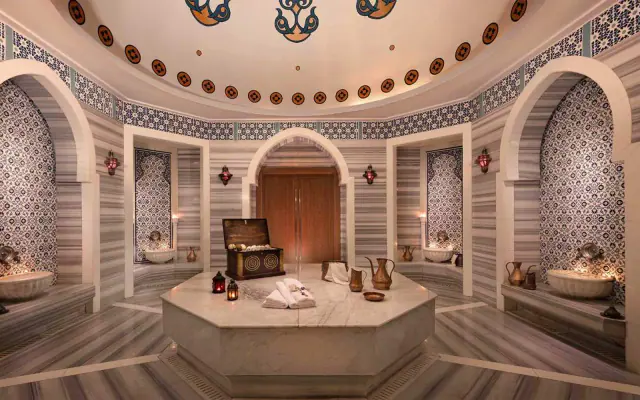
Hamam (Turkish Bath)
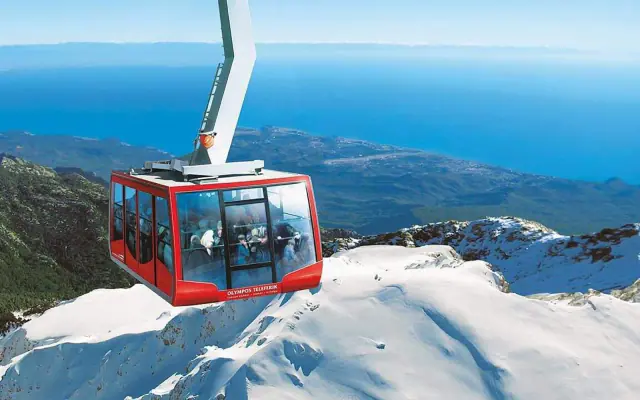
Tahtalı Cable Car (Olympos Teleferik)
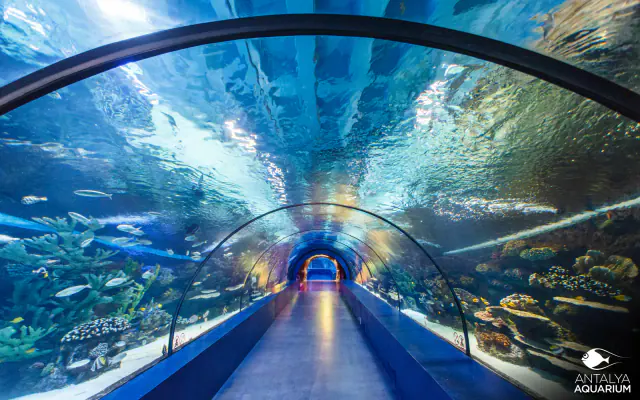
Aquarium & Tunnel Tour
Related Travel Guides
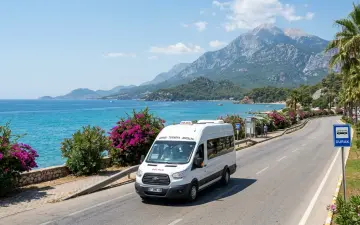
Kemer Dolmuş Guide: Routes, Fares, Getting Around & What to Avoid (2026)
Everything you need to know about riding dolmuş minibuses in Kemer: routes to Antalya, Phaselis, Kiriş & Göynük, verified 2026 fares, payment etiquette and when an organized tour is smarter.
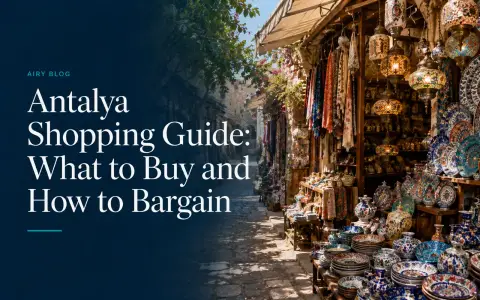
Shopping in Kemer vs Antalya: Where Is Cheaper, and Is the Trip Worth It?
Is shopping cheaper in Kemer or Antalya? Compare local markets, shopping streets, transport options and whether an Antalya city tour is worth the trip.

Where to Watch Premier League Football in Kemer: Sports Bars, Kick-Off Times & Matchday Tips
Looking for somewhere to watch Premier League football in Kemer? Discover verified sports bars, British pubs, UK-Turkey kick-off times, and late-night return tips.
Ready to plan your trip?
Discover the best experiences and book your next adventure with Airy.
Explore Destinations